
Criminology with Policing BA (Hons)
Undergraduate
- Start date
- –
- Study mode
- –
- Course length
- –
- UCAS Code
- –
Interested in a different start date?
Got a question you’d like to ask?
Entry requirements
We welcome students from all backgrounds and accept a wide range of qualifications. If yours aren’t listed, don’t worry – our Admissions Team can help you explore your options. See full entry requirements.
• A-Level: Grade profile of BBC or 112 UCAS Tariff Points.
• BTEC: Grade profile of DMM. This can be achieved from either an Extended National Diploma or a combination of smaller BTEC qualifications.
• T-levels: A T-level with an overall Merit grade.
If English is not your first language, you must have the following IELTS score:
· Foundation courses: A Secure English Language Test equivalent to IELTS 5.5 IELTS with a minimum of 5.5 in each component.
· Undergraduate courses: A Secure English Language Test equivalent to IELTS 6.0 with a minimum of 5.5 in each component.
Other English language qualifications are also accepted. Please contact admissions for further information.
Please contact Admissions if you have any questions.
Course fees
The tuition fee for academic year 2026/27 is: £9,790. Tuition fees for courses starting April to May 2026, fall within the 2025/26 academic cycle.
Fees for the 2025/26 academic year can be found on our Student Finance pages.
Additional costs
The University will review tuition fees and increase fees in line with any inflationary uplift as determined by the UK Government, if permitted by law or government policy, in subsequent years of your course. It is anticipated that such increases would be linked to RPI (the Retail Price Index excluding mortgage interest payments).
Check out our blog/news/events

Birmingham Newman University hits top five for social mobility in latest national rankings
Birmingham Newman University has been ranked in the top five of higher education providers for social mobility in the English Social Mobility Index. …

Birmingham Law Society Celebrates Excellence at 24th Annual Legal Awards 2026
The 24th anniversary of the Birmingham Law Society Legal Awards was marked on 12 February 2026…
Celebrating a Key Publication Supporting Entry-Level Students at Birmingham Newman University
Birmingham Newman University continues to reflect proudly on the publication of Essential Skills for Entry…
Birmingham Newman Celebrates Green Week 2026 with Campus‑Wide Events
Birmingham Newman will host its annual Green Week from 23 to 27 February 2026, bringing…

Research that makes a difference: Mark Holland wins Most Impactful Project Award
In December, we held our Staff Awards, where we recognised the outstanding achievements of colleagues…
Book an open day
Find out about our next open day. Book now to secure your place.
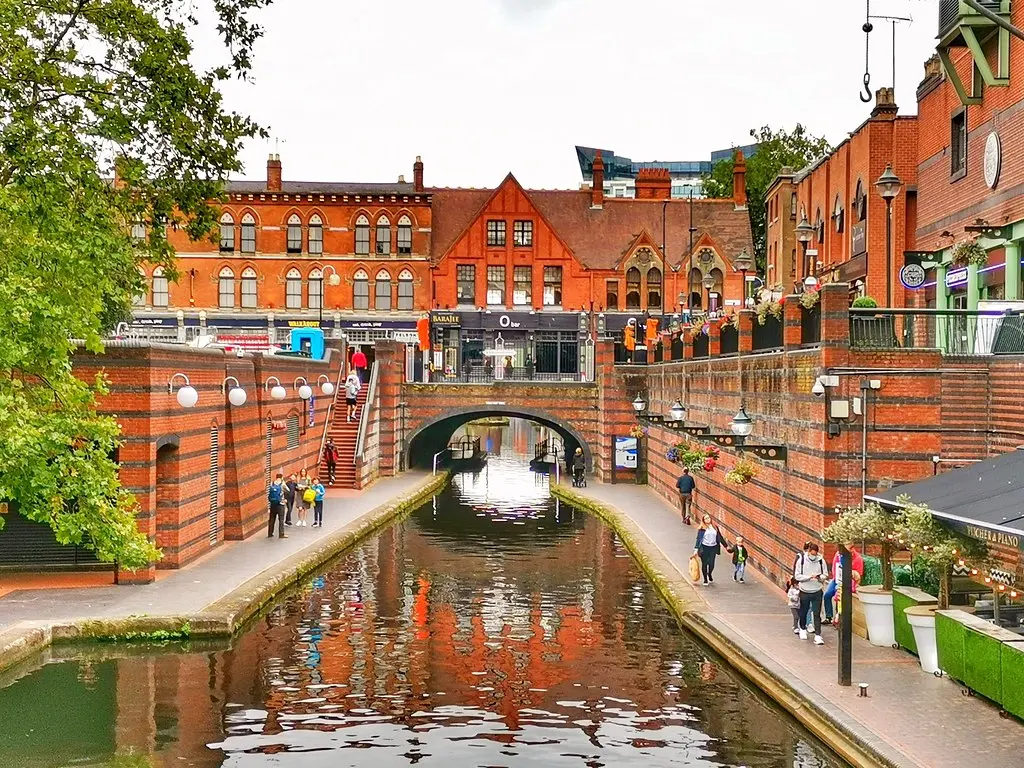
Studying and living in Birmingham
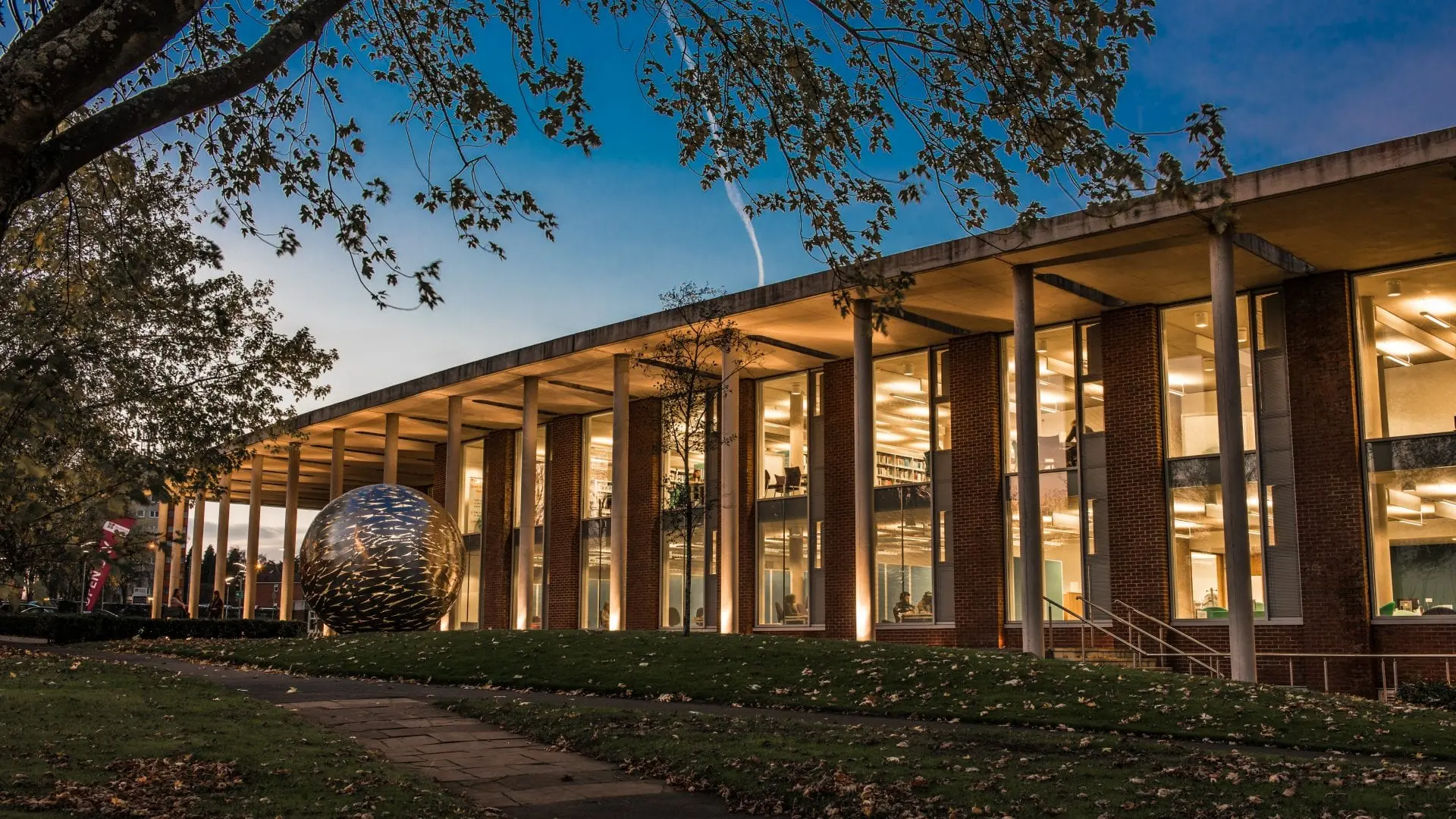
At Birmingham Newman University, you’ll enjoy the best of both worlds: a peaceful, green campus that creates the ideal setting for focused study and personal reflection, yet remains just eight miles from the vibrant city centre.
As the UK’s second-largest city, Birmingham is also one of the youngest and most diverse in Europe, offering a dynamic blend of culture, innovation and opportunity. From world-renowned museums and music venues to a thriving food scene alongside a growing business and tech sector, it’s a place where creativity and ambition naturally thrive.
Experience Birmingham: A City full of possibilities
Whether you’re discovering the Midlands for the first time or already know the area well, Birmingham provides a lively and inclusive environment for students. As one of the most energetic and multicultural cities in the UK, it’s a place where you can grow academically while developing personally. Its rich cultural heritage, creative energy and broad range of opportunities make it an inspiring backdrop for your university journey.
A City that loves great food
Birmingham is a brilliant place to explore diverse culinary experiences. You might wander through the famous Balti Triangle, sample global street food at Digbeth Dining Club or enjoy a relaxed meal by the canals in Brindleyplace. The city is also home to independent cafés, vegan-friendly eateries and countless hidden gems. Whether you’re grabbing a quick bite between lectures or planning an evening out, there’s always something new to discover.
Arts, culture and entertainment
The city pulses with creativity. You could catch live music at the O2 Academy, experience a world-class performance at the Birmingham Hippodrome or browse exhibitions at the Birmingham Museum and Art Gallery. Creative spaces like the Custard Factory showcase local talent while hosting events that celebrate innovation. With festivals, sporting fixtures and cultural celebrations taking place year-round, there’s never a shortage of things to enjoy.
Simple & convenient travel
Getting around Birmingham is straightforward thanks to its well-connected public transport system. Buses, trams and trains make it easy to reach campus, explore the city or travel further afield. Whether you’re commuting daily or heading off for a weekend adventure, transport is both accessible and affordable.
Life beyond the lecture Hall
Your time at Birmingham Newman University extends far beyond academic study. You’ll have the chance to join student societies, contribute to community projects or try something entirely new. The University’s supportive atmosphere encourages you to build confidence, develop practical skills and feel genuinely at home throughout your studies.
View our campus
Courses we think you'll also like

Criminology with Policing (with Foundation Year) BA (Hons)
- Start date:
- September 2026

Criminology (with Foundation Year) BA (Hons)
- Start date:
- September 2026
Counselling, Mental Health & Wellbeing BA (Hons)
- Start date:
- September 2026