
Computer Science with Cyber Security BSc (Hons)
Undergraduate
- Start date
- –
- Study mode
- –
- Course length
- –
- UCAS Code
- –

Interested in a different start date?
Course overview – Computer Science with Cyber Security BSc (Hons)
Discover how computing expertise and cyber security skills combine to protect digital systems and data. The BSc (Hons) Computer Science with Cyber Security at Birmingham Newman University is a full-time, three-year undergraduate degree designed for students who want to build strong computing foundations while developing specialist knowledge in cyber security.
You will begin on the BSc (Hons) Computer Science programme and choose the Cyber Security pathway towards the end of your first year.
Complimentary Surface Pro
All Computer Science students set to start in 2026 will receive a Surface Pro laptop.
This will be automatically loaned to you for the entire duration of your course. This exclusive, dedicated device is yours to support your studies from day one.
On successful completion, you will graduate with a degree that demonstrates your ability to design, implement and evaluate secure computing systems. Whether you are interested in secure software development, digital forensics or cyber threat analysis, this course prepares you to respond to real-world challenges with confidence, creativity and technical skill.
Book a free consultation
Want to find out more about your options? Book a free consultation with an Academic
What does this course cover?
You will explore core areas of computer science including programming, algorithms, databases and systems design, alongside specialist topics such as ethical hacking, cryptography, vulnerability assessment and information assurance. Learning is delivered through lectures, practical workshops and project-based activities, encouraging you to apply your skills to real-world scenarios and emerging technologies.
You will also examine the legal, ethical and societal dimensions of cyber security, helping you make informed and responsible decisions in professional contexts. Learning is designed to be applied and inclusive, supporting your development as a reflective and adaptable practitioner.
Why study Computer Science with Cyber Security BSc (Hons)
Studying the BSc (Hons) Computer Science with Cyber Security at Birmingham Newman University offers a professionally relevant and future-focused route into one of the most in-demand areas of the digital economy. Whether defending networks, developing secure software or investigating digital threats, you will gain the knowledge and skills to work with integrity and precision.
The course prepares you to understand and respond to complex technical challenges, empowering organisations and communities through ethical and informed practice. With a strong focus on applied learning and reflective development, you will graduate ready to make a real impact.
‘Every expert begins as a novice. Each line of command in the pursuit of cyber security represents a step toward safeguarding digital infrastructure and every innovation expands the boundaries of protection while introducing new ethical and operational responsibilities. Writing your first instruction is not merely a technical command, it is a commitment to securing the future of our interconnected world.’ Adnan Qureshi, Senior Lecturer, Computer Science
Explore Cyber Security Through Practical Learning
You will study programming, databases, algorithms and system design, alongside modules in network security, ethical hacking, cryptography, cyber forensics and threat analysis. Workshops, case studies and project-based learning help you develop practical skills in secure coding, vulnerability assessment and digital investigations. You will also explore legal and ethical frameworks, learning how to contribute to responsible innovation and improvement in cyber security. The course reflects the evolving nature of digital threats and prepares you to engage confidently with technical and organisational challenges.
Supportive and Professional Learning
At Birmingham Newman University, you will be part of a close-knit academic community that supports your growth. Teaching blends lectures, seminars and practical workshops, enriched by insights from industry professionals and current research. You will receive tailored feedback, professional mentoring and career guidance throughout your studies. The learning environment is inclusive and student-focused, helping you build confidence and resilience. On graduation, you will be equipped with the skills and insight needed to pursue a wide range of careers or further study in computing and cyber security.
Complimentary Surface Pro
All Computer Science students set to start in 2026 will receive a Surface Pro laptop. This will be automatically loaned to you for the entire duration of your course. This exclusive, dedicated device is yours to support your studies from day one.
Assessment
Assessment is designed to support your development into a confident and capable graduate. You will complete coursework-based tasks that reflect academic and professional practice, including programming assignments, technical reports, security audits, presentations and project work. These assessments help you apply theory to real-world scenarios, develop critical reasoning and build professional judgement. You will receive regular feedback and academic guidance to support your progress and help you grow as a reflective and independent thinker.
Entry requirements
We welcome students from all backgrounds and accept a wide range of qualifications. If yours aren’t listed, don’t worry – our Admissions Team can help you explore your options. See full entry requirements.
• A-Level: Grade profile of BBC or 112 UCAS Tariff Points.
• BTEC: Grade profile of DMM. This can be achieved from either an Extended National Diploma or a combination of smaller BTEC qualifications.
• T-levels: A T-level with an overall Merit grade.
If you are in receipt of overseas qualifications and have no evidence of UK study you may be required to demonstrate your English proficiency through a Secure English Language Test (SELT) such as IELTS.
The Admissions team will provide further details within your offer.
Please contact Admissions if you have any questions.
Course fees & funding
Fees
All fees are shown in GBP (£).
The tuition fee for the 2026/27 academic year is: £9,790.
Fees for the 2027/28 academic year can be found on our Student Finance pages and choosing your degree type.
Please note: If this course includes a Foundation Year, the fees shown above apply to the Foundation Year only. Fees for subsequent years will be charged at the standard undergraduate full-time fee.
Funding
Find out what funding and support might be available to you through Student Finance and Student Success.
Additional costs
The University will review tuition fees and increase fees in line with any inflationary uplift as determined by the UK Government, if permitted by law or government policy, in subsequent years of your course. It is anticipated that such increases would be linked to RPI (the Retail Price Index excluding mortgage interest payments).
Find out about extra costs, timetable details, and how course modules may change through additional course information.
Course modules
Where will you study?
Computing
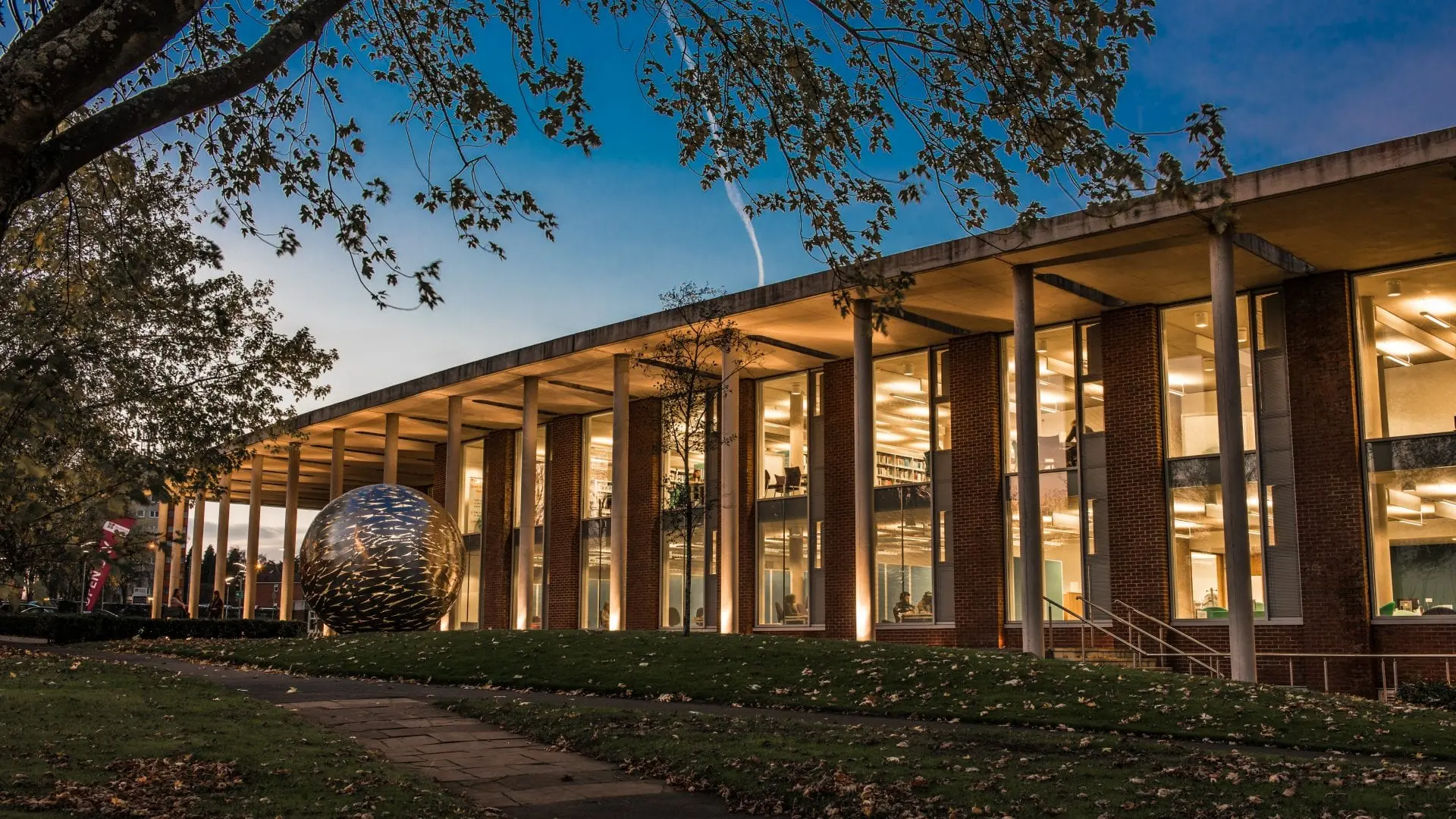
Our campus
Take a tour of our campus and view some of the facilities we have to offer.
Accreditations and exemptions
This degree is academically rigorous and professionally relevant, preparing you for careers that require strong technical knowledge, ethical awareness and problem-solving skills. The curriculum is informed by current industry standards and reflects the expectations of bodies such as the UK Cyber Security Council and BCS. As a student at Birmingham Newman University, you will benefit from a programme that is intellectually challenging, socially engaged and aligned with the evolving demands of the digital sector. You will graduate prepared to contribute confidently to cyber security and computing roles.
What careers can I consider
Graduates of this degree are well-prepared for roles in cyber analysis, software development, security consultancy or digital investigations across public, private or voluntary sectors. You may choose to work in areas such as penetration testing, secure systems design or threat intelligence. The course also supports progression into postgraduate study or professional certification. You will be equipped to contribute confidently to digital security teams and help protect systems, data and networks. Support from Birmingham Newman University’s Careers and Employability Service includes mentoring, networking opportunities and guidance on further study or employment.
Student life & support
Student life & support at Birmingham Newman brings together the services, facilities and guidance that help students feel supported and succeed at every stage of their journey.
From academic skills, wellbeing and disability support to student finance, cost‑of‑living help, accommodation and campus life, we support students both inside and outside the classroom – so they can make the most of their time at university and beyond.
Life in Birmingham
Birmingham is one of the UK’s largest and most diverse cities, offering a vibrant and welcoming environment for students. From world-class shopping and a thriving food scene to cultural attractions and green spaces, there’s always something to explore.
The city is also one of the most affordable places to study in the UK, helping you make the most of your student budget. With excellent transport links, you can easily travel across the UK, including quick connections to London and other major cities.
Whether you’re looking for nightlife, live events, or quiet places to relax, Birmingham has something for everyone.
Courses we think you'll also like

Advanced Computer Science MSc
- Start date:
- Various
- Study Mode:
- Full-time
- Length:
- 1 years

Computer Science (Conversion) MSc
- Start date:
- Various
- Study Mode:
- Part-time
- Length:
- 2 years

Computer Science (conversion) MSc
- Start date:
- Various
- Study Mode:
- Full-time
- Length:
- 1 years

Data Science (conversion) MSc
- Start date:
- Various
- Study Mode:
- Full-time
- Length:
- 1 years
Computer Science News

Local MP receives sneak peek of state-of-the-art digital health facilities at Birmingham Newman
Preet Gill MP was given an exclusive behind-the-scenes tour of Birmingham Newman University’s newly developed facilities for innovative health…

Andrew Csizmadia Named Fellow of the British Computer Society for Excellence in Computing Education
Andrew Csizmadia SFHEA, Emeritus Fellow in Computing Education at Birmingham Newman University, has been appointed…
Book an open day
Find out about our next open day. Book now to secure your place.