BSc Single Honours Sport and Exercise Science (with Foundation Year)
Undergraduate
- Start date
- –
- Study mode
- –
- Course length
- –
- UCAS Code
- –
Interested in a different start date?
BSc Single Honours Sport and Exercise Science (with Foundation Year)
- Course Overview
- Entry requirements
- Course fees
- News & events
- Course modules
- Studying in Birmingham
- Courses you might like
Foundation Year at Birmingham Newman University
Start with confidence. Progress with purpose.
The Foundation Year is the first year of a four-year undergraduate degree at Birmingham Newman University. It offers a flexible route into higher education for students who may not meet standard entry requirements or who are returning to study after time away. Whether you are exploring a new direction or looking to strengthen your academic foundations, this additional year of study provides the structure, support and space to help you succeed.
You’ll apply through UCAS for your chosen degree with Foundation Year. Once you’ve successfully completed the Foundation Year and met the progression criteria, you’ll move into Year 1 of your undergraduate course.
Who is the Foundation Year for?
• This route is designed for students who:
• Are returning to education after a break
• Do not currently hold the qualifications for direct entry onto a three-year degree
• Want to build confidence and academic skills before starting undergraduate study
• Are seeking a structured and supportive introduction to university life
You’ll be part of a learning community that recognises your potential and supports your development from the very beginning. The Foundation Year is not just a pathway into university. It is a purposeful and personalised start to your academic journey.
What Will I Study?
The Foundation Year focuses on helping you become a confident, reflective and independent learner. You’ll begin by exploring how you learn and identifying strategies that work for you. You’ll also engage with wider themes such as identity, inequality and the human experience in a digital world. These topics encourage critical thinking and personal insight, while connecting across subject areas.
You’ll develop core academic skills including writing, research, digital literacy and communication. These are taught through seminars, workshops, online activities and one-to-one support. The aim is not only to prepare you for your chosen subject, but to help you feel connected to your learning and to the university community.
‘For someone returning to education after a hiatus, this foundation (year) was essential in helping me regain my academic footing and feel prepared for the challenges ahead.’ – Alix Wyatt, Birmingham Newman University Alumna
What Happens After the Foundation Year?
Once you’ve successfully completed the Foundation Year and met the progression requirements, you’ll begin Year 1 of your undergraduate degree. You’ll already be familiar with the university environment, your subject area and the expectations of academic study, giving you a strong foundation to build on.
48 UCAS tariff points. For equivalencies and further details, please copy and paste this link into your web browser newman.ac.uk/study/how-to-apply/entry-requirements/
Entry requirements, for international students, for September 2025 entry:
If you are an international student, please get in touch with our International team who will be able to advise on entry criteria for this course. Email international@newman.ac.uk or telephone +441218160449.
The tuition fee for academic year 2025/26 is: £9,535
For detailed information on course fees for international students, please visit our International Students page, linked below.
Additional costs
The University will review tuition fees and increase fees in line with any inflationary uplift as determined by the UK Government, if permitted by law or government policy, in subsequent years of your course. It is anticipated that such increases would be linked to RPI (the Retail Price Index excluding mortgage interest payments).
Check out our blog/news/events
A Momentous Celebration: Saint John Henry Newman Declared Doctor of the Church
We are thrilled to share the wonderful news that, as part of the Jubilee of…
Celebrating the Class of 2025: Inspiring Journeys at Birmingham Newman University
This year’s Graduation Ceremony, held on Monday, marked a proud moment for Birmingham Newman University…
Birmingham Newman University Celebrates Graduating Class of 2025
Birmingham Newman University is proud to celebrate the achievements of its graduating students at this…
Exploring the World Through the Turing Scheme: Experiences from Spain and Germany
During the summer months of 2025, students from Birmingham Newman University took part in a…
Birmingham Newman University to Launch Sports Massage Clinic Open to the Public
Birmingham Newman University is excited to announce the upcoming launch of its brand-new Sports Massage…

Degree group 1
This module, delivered in whole or in part by subject-specific staff, will introduce students to the content and staff of their chosen degree subject. Students will explore the disciplinary conventions, core concepts and professional requirements of their degree. The themes under discussion will vary according to the degree the students are studying, but each degree tutor group will enable students to gain familiarity with their chosen area of study and subject staff. In the tutor group, students will complete a capstone assessment designed and marked by staff in their subject area.
Degree group 1
This module, delivered in whole or in part by subject-specific staff, will introduce students to the content and staff of their chosen degree subject. Students will explore the disciplinary conventions, core concepts and professional requirements of their degree. The themes under discussion will vary according to the degree the students are studying, but each degree tutor group will enable students to gain familiarity with their chosen area of study and subject staff. In the tutor group, students will complete a capstone assessment designed and marked by staff in their subject area.
Degree group 1
This module, delivered in whole or in part by subject-specific staff, will introduce students to the content and staff of their chosen degree subject. Students will explore the disciplinary conventions, core concepts and professional requirements of their degree. The themes under discussion will vary according to the degree the students are studying, but each degree tutor group will enable students to gain familiarity with their chosen area of study and subject staff. In the tutor group, students will complete a capstone assessment designed and marked by staff in their subject area.
Degree group 1
This module, delivered in whole or in part by subject-specific staff, will introduce students to the content and staff of their chosen degree subject. Students will explore the disciplinary conventions, core concepts and professional requirements of their degree. The themes under discussion will vary according to the degree the students are studying, but each degree tutor group will enable students to gain familiarity with their chosen area of study and subject staff. In the tutor group, students will complete a capstone assessment designed and marked by staff in their subject area.
Degree group 1
This module, delivered in whole or in part by subject-specific staff, will introduce students to the content and staff of their chosen degree subject. Students will explore the disciplinary conventions, core concepts and professional requirements of their degree. The themes under discussion will vary according to the degree the students are studying, but each degree tutor group will enable students to gain familiarity with their chosen area of study and subject staff. In the tutor group, students will complete a capstone assessment designed and marked by staff in their subject area.
Degree group 1
This module, delivered in whole or in part by subject-specific staff, will introduce students to the content and staff of their chosen degree subject. Students will explore the disciplinary conventions, core concepts and professional requirements of their degree. The themes under discussion will vary according to the degree the students are studying, but each degree tutor group will enable students to gain familiarity with their chosen area of study and subject staff. In the tutor group, students will complete a capstone assessment designed and marked by staff in their subject area.
Degree group 1
This module, delivered in whole or in part by subject-specific staff, will introduce students to the content and staff of their chosen degree subject. Students will explore the disciplinary conventions, core concepts and professional requirements of their degree. The themes under discussion will vary according to the degree the students are studying, but each degree tutor group will enable students to gain familiarity with their chosen area of study and subject staff. In the tutor group, students will complete a capstone assessment designed and marked by staff in their subject area.
Degree group 2
This module, delivered in whole or in part by subject-specific staff, will continue students’ introduction to the content of their chosen degree subject. Students will explore further the disciplinary conventions, core concepts and professional requirements of their degree. The themes under discussion will vary according to the degree the students are studying, but each degree group will enable students to examine the themes and approaches underpinning the chosen area of study. In the tutor group, students will complete a capstone assessment designed and marked by staff in their subject area. This capstone assessment will draw on the skills developed and practices in the core modules.
Degree group 2
This module, delivered in whole or in part by subject-specific staff, will continue students’ introduction to the content of their chosen degree subject. Students will explore further the disciplinary conventions, core concepts and professional requirements of their degree. The themes under discussion will vary according to the degree the students are studying, but each degree group will enable students to examine the themes and approaches underpinning the chosen area of study. In the tutor group, students will complete a capstone assessment designed and marked by staff in their subject area. This capstone assessment will draw on the skills developed and practices in the core modules.
Degree group 2
This module, delivered in whole or in part by subject-specific staff, will continue students’ introduction to the content of their chosen degree subject. Students will explore further the disciplinary conventions, core concepts and professional requirements of their degree. The themes under discussion will vary according to the degree the students are studying, but each degree group will enable students to examine the themes and approaches underpinning the chosen area of study. In the tutor group, students will complete a capstone assessment designed and marked by staff in their subject area. This capstone assessment will draw on the skills developed and practices in the core modules.
Degree group 2
This module, delivered in whole or in part by subject-specific staff, will continue students’ introduction to the content of their chosen degree subject. Students will explore further the disciplinary conventions, core concepts and professional requirements of their degree. The themes under discussion will vary according to the degree the students are studying, but each degree group will enable students to examine the themes and approaches underpinning the chosen area of study. In the tutor group, students will complete a capstone assessment designed and marked by staff in their subject area. This capstone assessment will draw on the skills developed and practices in the core modules.
Degree group 1
This module, delivered in whole or in part by subject-specific staff, will introduce students to the content and staff of their chosen degree subject. Students will explore the disciplinary conventions, core concepts and professional requirements of their degree. The themes under discussion will vary according to the degree the students are studying, but each degree tutor group will enable students to gain familiarity with their chosen area of study and subject staff. In the tutor group, students will complete a capstone assessment designed and marked by staff in their subject area.
Degree group 2
This module, delivered in whole or in part by subject-specific staff, will continue students’ introduction to the content of their chosen degree subject. Students will explore further the disciplinary conventions, core concepts and professional requirements of their degree. The themes under discussion will vary according to the degree the students are studying, but each degree group will enable students to examine the themes and approaches underpinning the chosen area of study. In the tutor group, students will complete a capstone assessment designed and marked by staff in their subject area. This capstone assessment will draw on the skills developed and practices in the core modules.
Education and society
Students will explore big ideas around higher education, society and identity as they develop their academic skills and confidence. Students will be introduced to theory, examples of which include education theories, theories of learning, race theory, gender theory. Students will be introduced to the context and development of these concepts over time, and from literary and philosophic perspectives. The module will explicitly engage with digital literacy and will include opportunities for students to engage with the online learning environment and develop their digital skills.
Being human in a digital world
This module is designed to facilitate students’ further critical engagement with the context and concepts to which they were introduced in semester one. Students will exploring ideas about childhood, life and old age in a digital world and have the opportunity for the continued development of core academic skills as well as providing opportunities for students to reflect on their progress. The module will include opportunities for students to engage with the online learning environment and develop information literacy skills.
Degree group 2
This module, delivered in whole or in part by subject-specific staff, will continue students’ introduction to the content of their chosen degree subject. Students will explore further the disciplinary conventions, core concepts and professional requirements of their degree. The themes under discussion will vary according to the degree the students are studying, but each degree group will enable students to examine the themes and approaches underpinning the chosen area of study. In the tutor group, students will complete a capstone assessment designed and marked by staff in their subject area. This capstone assessment will draw on the skills developed and practices in the core modules.
Degree group 2
This module, delivered in whole or in part by subject-specific staff, will continue students’ introduction to the content of their chosen degree subject. Students will explore further the disciplinary conventions, core concepts and professional requirements of their degree. The themes under discussion will vary according to the degree the students are studying, but each degree group will enable students to examine the themes and approaches underpinning the chosen area of study. In the tutor group, students will complete a capstone assessment designed and marked by staff in their subject area. This capstone assessment will draw on the skills developed and practices in the core modules.
Degree group 1
This module, delivered in whole or in part by subject-specific staff, will introduce students to the content and staff of their chosen degree subject. Students will explore the disciplinary conventions, core concepts and professional requirements of their degree. The themes under discussion will vary according to the degree the students are studying, but each degree tutor group will enable students to gain familiarity with their chosen area of study and subject staff. In the tutor group, students will complete a capstone assessment designed and marked by staff in their subject area.
Degree group 2
This module, delivered in whole or in part by subject-specific staff, will continue students’ introduction to the content of their chosen degree subject. Students will explore further the disciplinary conventions, core concepts and professional requirements of their degree. The themes under discussion will vary according to the degree the students are studying, but each degree group will enable students to examine the themes and approaches underpinning the chosen area of study. In the tutor group, students will complete a capstone assessment designed and marked by staff in their subject area. This capstone assessment will draw on the skills developed and practices in the core modules.
Degree group 2
This module, delivered in whole or in part by subject-specific staff, will continue students’ introduction to the content of their chosen degree subject. Students will explore further the disciplinary conventions, core concepts and professional requirements of their degree. The themes under discussion will vary according to the degree the students are studying, but each degree group will enable students to examine the themes and approaches underpinning the chosen area of study. In the tutor group, students will complete a capstone assessment designed and marked by staff in their subject area. This capstone assessment will draw on the skills developed and practices in the core modules.
Degree group 1
This module, delivered in whole or in part by subject-specific staff, will introduce students to the content and staff of their chosen degree subject. Students will explore the disciplinary conventions, core concepts and professional requirements of their degree. The themes under discussion will vary according to the degree the students are studying, but each degree tutor group will enable students to gain familiarity with their chosen area of study and subject staff. In the tutor group, students will complete a capstone assessment designed and marked by staff in their subject area.
Degree group 1
This module, delivered in whole or in part by subject-specific staff, will introduce students to the content and staff of their chosen degree subject. Students will explore the disciplinary conventions, core concepts and professional requirements of their degree. The themes under discussion will vary according to the degree the students are studying, but each degree tutor group will enable students to gain familiarity with their chosen area of study and subject staff. In the tutor group, students will complete a capstone assessment designed and marked by staff in their subject area.
Degree group 2
This module, delivered in whole or in part by subject-specific staff, will continue students’ introduction to the content of their chosen degree subject. Students will explore further the disciplinary conventions, core concepts and professional requirements of their degree. The themes under discussion will vary according to the degree the students are studying, but each degree group will enable students to examine the themes and approaches underpinning the chosen area of study. In the tutor group, students will complete a capstone assessment designed and marked by staff in their subject area. This capstone assessment will draw on the skills developed and practices in the core modules.
Degree group 2
This module, delivered in whole or in part by subject-specific staff, will continue students’ introduction to the content of their chosen degree subject. Students will explore further the disciplinary conventions, core concepts and professional requirements of their degree. The themes under discussion will vary according to the degree the students are studying, but each degree group will enable students to examine the themes and approaches underpinning the chosen area of study. In the tutor group, students will complete a capstone assessment designed and marked by staff in their subject area. This capstone assessment will draw on the skills developed and practices in the core modules.
Degree group 1
This module, delivered in whole or in part by subject-specific staff, will introduce students to the content and staff of their chosen degree subject. Students will explore the disciplinary conventions, core concepts and professional requirements of their degree. The themes under discussion will vary according to the degree the students are studying, but each degree tutor group will enable students to gain familiarity with their chosen area of study and subject staff. In the tutor group, students will complete a capstone assessment designed and marked by staff in their subject area.
Degree group 2
This module, delivered in whole or in part by subject-specific staff, will continue students’ introduction to the content of their chosen degree subject. Students will explore further the disciplinary conventions, core concepts and professional requirements of their degree. The themes under discussion will vary according to the degree the students are studying, but each degree group will enable students to examine the themes and approaches underpinning the chosen area of study. In the tutor group, students will complete a capstone assessment designed and marked by staff in their subject area. This capstone assessment will draw on the skills developed and practices in the core modules.
Degree group 2
This module, delivered in whole or in part by subject-specific staff, will continue students’ introduction to the content of their chosen degree subject. Students will explore further the disciplinary conventions, core concepts and professional requirements of their degree. The themes under discussion will vary according to the degree the students are studying, but each degree group will enable students to examine the themes and approaches underpinning the chosen area of study. In the tutor group, students will complete a capstone assessment designed and marked by staff in their subject area. This capstone assessment will draw on the skills developed and practices in the core modules.
Pedagogy of physical education and coaching
This module will introduce key pedagogical theories and concepts related to Physical Education and sports coaching. Students will have the opportunity to discuss the role of Physical Education teachers and sports coaches. Throughout the module, there will be opportunities to apply theoretical constructs to practical situations.
Exploring sport, exercise and physical activity
This module is focuses on exploring sport, exercise, physical activity and coaching. Introducing and developing the skills you need to be successful in Higher Education. The module will allow you the opportunity to reflect on your skills and development needs, as well as enhancing your knowledge and skills in this area.
Introductions to sport & exercise psychology
This module offers students an opportunity to be introduced to contemporary and fundamental concepts within sport and exercise psychology. Students will consider the underpinnings of human psychology and how this influences participation and engagement in various physical activity contexts.
Introduction to exercise physiology
This module aims to develop knowledge of human anatomy, physiology, systems and their responses to exercise both acute and chronic from a physiological perspective. You will learn about human anatomy, function, systems in relation to both performance and health. This will include applied work in a laboratory environment to develop proficiency in measurements methods related to exercise physiology.
Introduction to sport & exercise biomechanics
This module aims to develop knowledge of anatomy and function of the musculo-skeletal system during movement and apply them to exercise performance and injury. Students will also be introduced to biomechanical principles underpinning the practical analysis of human movement, considering the role of analysis in sport and in movement. It will serve to widen the students’ knowledge base and will provide a firm basis for working at a higher level in the discipline of sport and exercise biomechanics. Relevant risk assessment and health and safety protocols will be adhered to within the human performance laboratory.
Introduction to strength and conditioning
The module looks to develop students understanding and knowledge of key training principles that underpin physical preparation for training and injury prevention. Students will develop the theory and practical skills to apply training principles to healthy individuals.
Biomechanics and performance analysis in sport and exercise
This module aims to extend the students’ knowledge and practical skills in the application of biomechanics to specific sport and exercise activities. The emphasis will be on the application of biomechanics in the assessment, evaluation and improvement of technique in a range of sports. Practical experiences will include the role of biomechanical kinetic and kinematic assessment in the analysis of sport and the application of hand and computerised notation systems to individual and team sports .
Work readiness
By integrating reflective practices, practical experiences, and career preparation, this module supports students in making informed career decisions and contributes directly to enhancing their long-term employability. This year-long module is designed to enhance students’ employability and readiness for professional careers by embedding reflective practice, leadership, and practical preparation for employment. You will reflect critically on different dimensions of workplace settings relevant to your career path. Informed by literature, professional best practice, social policy priorities, and personal reflections, students will design innovation projects aimed to provide a solution to a workplace issue, fostering essential skills in creativity, leadership, teamwork, and project management. You will explore your personal skills and attributes, empowering you to clearly articulate their strengths and identify areas for growth. Regular guided reflection activities enable students to critically assess their evolving competencies and readiness for employment
Physiology of exercise & nutrition
This module offers students the opportunity to learn about the determinant of exercise performance and bodily responses to exercise and the implications for health and performance. Students will also learn how exercise metabolism allows for and limits exercise of different durations and intensities. This will lead into the exploration of how nutrition influences exercise metabolism and the implications for exercise performance. Students will also gain practical laboratory experience related to exercise performance, metabolism and nutrition.
Principles of sport and exercise psychology
This module offers students an opportunity to explore some major personality and social-psychological constructs and theories that can be used to explain behaviour and performance in sport and exercise settings. Students will develop an understanding and critical awareness of how specific psychological principles can influence participation, well-being and performance in sport and exercise contexts.
Introduction to strength & conditioning
This module aims to build on key physiological and biomechanical concepts that underpin physical development. The module will focus on critically exploring different exercise testing and prescription methods used in performance sport. The students will critically explore the development of aerobic/anaerobic capabilities, muscle strength, power, hypertrophy, speed, agility and their respective roles in sports performance. They will also learn how to monitor training and performance. Students will conduct a needs analyses aiming to identify factor to support successful sports performance and gain vital practical experience in assessing key capabilities and developing exercise regimens. Relevant risk assessment and health and safety protocols will be adhered to within the human performance laboratory.
Investigating sport, exercise and physical activity
This module provides students with theoretical underpinning and practical experience of quantitative and qualitative research methods. It offers the opportunity for students to acquire the necessary skills to conduct independent research in sport, exercise and physical activity.
Dissertation
This module builds on prior learning and offers students the opportunity for further development of their skills, knowledge and understanding through conducting an independent research project. The project is regarded as an important exercise for developing students’ abilities to formulate appropriate research design and procedures, to collect and present in an appropriate and meaningful way, to conduct a critical analysis of relevant literature, and to demonstrate their understanding and application of theoretical principles. The research focus must be specific to their chosen degree.
Applied sport and exercise psychology
This module explores the application of psychological profiling and intervention techniques in a variety of sporting situations. It seeks to develop a critical and evidence-based approach in the selection of specific strategies for individuals and groups. It further seeks to provide a basis for appraising and critically evaluating the impact of any intervention strategies employed with reference to their effectiveness, appropriateness, and ethical use.
Current issues in sport and exercise science
Explore a range of current issues that are influencing the science and policies surrounding sport and exercise. You can then choose which interests you and explore these in greater depth.
Advanced sport and exercise biomechanics
This module builds on key areas of sport and exercise biomechanics delivered at level 5. The emphasis is to provide a critical, theoretical and practical understanding of the major applied techniques used in the biomechanical analysis of sporting activity and how these maybe used to improve sports performance and reduce the risk of injury. Students will develop understanding of biomechanical assessment procedures, data analysis, interpretation and laboratory skills with particular emphasis on 3D motion analysis, advanced analysis of force using force platforms and the analysis of muscle activation using electromyography. In addition, the relationship between the biomechanist and coach will be explored. Relevant risk assessment and health and safety protocols will be adhered to within the human performance laboratory.
Physiology of performance enhancement
This module aims to build on key concepts in exercise training and monitoring from level 5. Students will explore the development of physiological capabilities but also the acute and chronic optimisation of these capabilities. The underpinning science behind preparation for and recovery from performance will be explored in traditional and contemporary contexts alongside introduction and evaluation of contemporary training methodologies

Live, Learn & Belong at Birmingham Newman
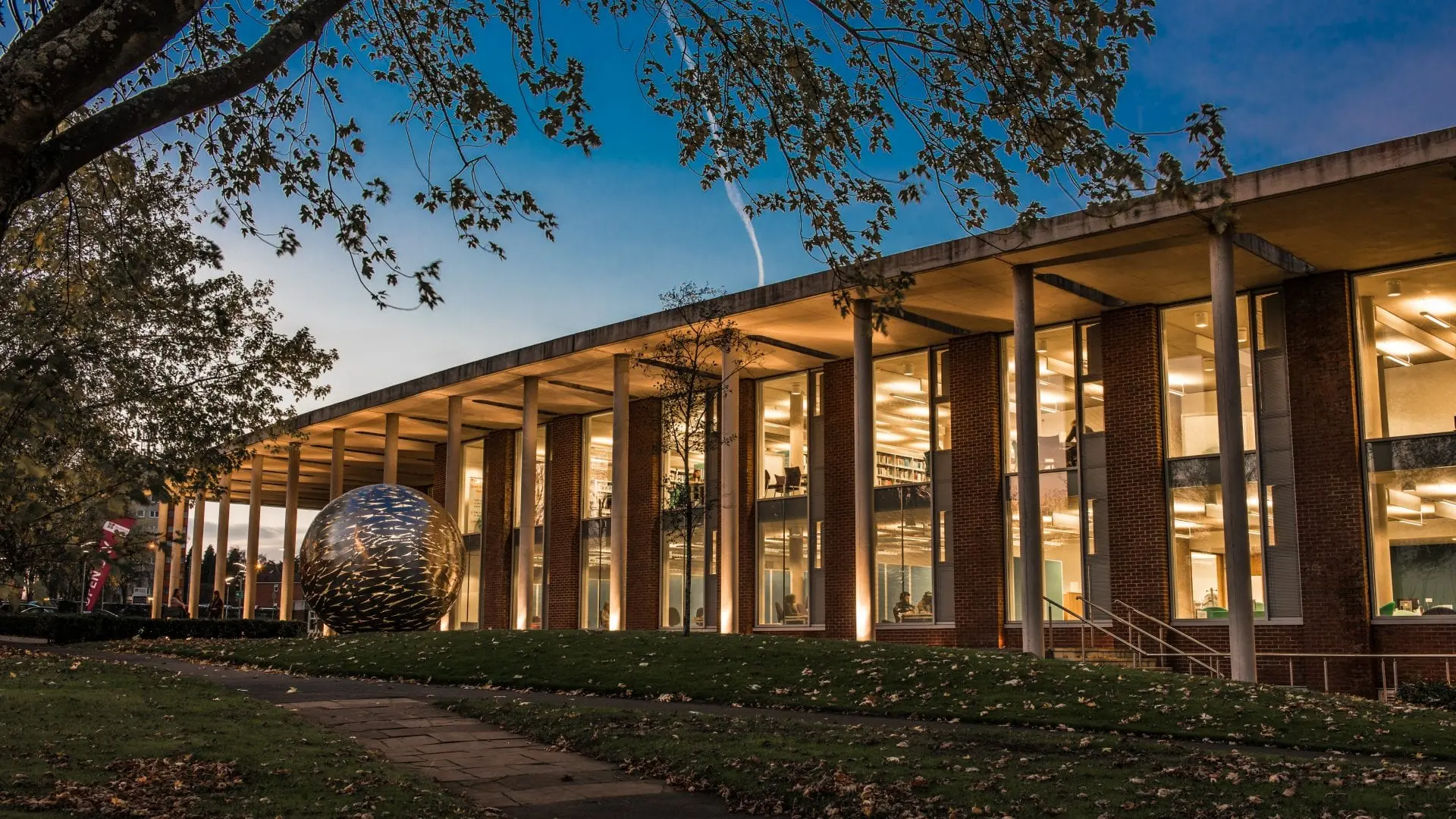
At Birmingham Newman University, you’ll enjoy the best of both worlds: a peaceful, green campus that creates the ideal setting for focused study and personal reflection, yet remains just eight miles from the vibrant city centre. As the UK’s second-largest city, Birmingham is also one of the youngest and most diverse in Europe, offering a dynamic blend of culture, innovation and opportunity. From world-renowned museums and music venues to a thriving food scene alongside a growing business and tech sector, it’s a place where creativity and ambition naturally thrive.
Experience Birmingham: A City Full of Possibilities
Whether you're discovering the Midlands for the first time or already know the area well, Birmingham provides a lively and inclusive environment for students. As one of the most energetic and multicultural cities in the UK, it’s a place where you can grow academically while developing personally. Its rich cultural heritage, creative energy and broad range of opportunities make it an inspiring backdrop for your university journey.
A City That Loves Great Food
Birmingham is a brilliant place to explore diverse culinary experiences. You might wander through the famous Balti Triangle, sample global street food at Digbeth Dining Club or enjoy a relaxed meal by the canals in Brindleyplace. The city is also home to independent cafés, vegan-friendly eateries and countless hidden gems. Whether you're grabbing a quick bite between lectures or planning an evening out, there’s always something new to discover.
Arts, Culture and Entertainment
The city pulses with creativity. You could catch live music at the O2 Academy, experience a world-class performance at the Birmingham Hippodrome or browse exhibitions at the Birmingham Museum and Art Gallery. Creative spaces like the Custard Factory showcase local talent while hosting events that celebrate innovation. With festivals, sporting fixtures and cultural celebrations taking place year-round, there’s never a shortage of things to enjoy.
Simple & Convenient Travel
Getting around Birmingham is straightforward thanks to its well-connected public transport system. Buses, trams and trains make it easy to reach campus, explore the city or travel further afield. Whether you're commuting daily or heading off for a weekend adventure, transport is both accessible and affordable.
Life Beyond the Lecture Hall
Your time at Birmingham Newman University extends far beyond academic study. You’ll have the chance to join student societies, contribute to community projects or try something entirely new. The university’s supportive atmosphere encourages you to build confidence, develop practical skills and feel genuinely at home throughout your studies.