
Integrative Psychotherapy MSc
Postgraduate
- Start date
- –
- Study mode
- –
- Course length
- –
- UCAS Code
- –
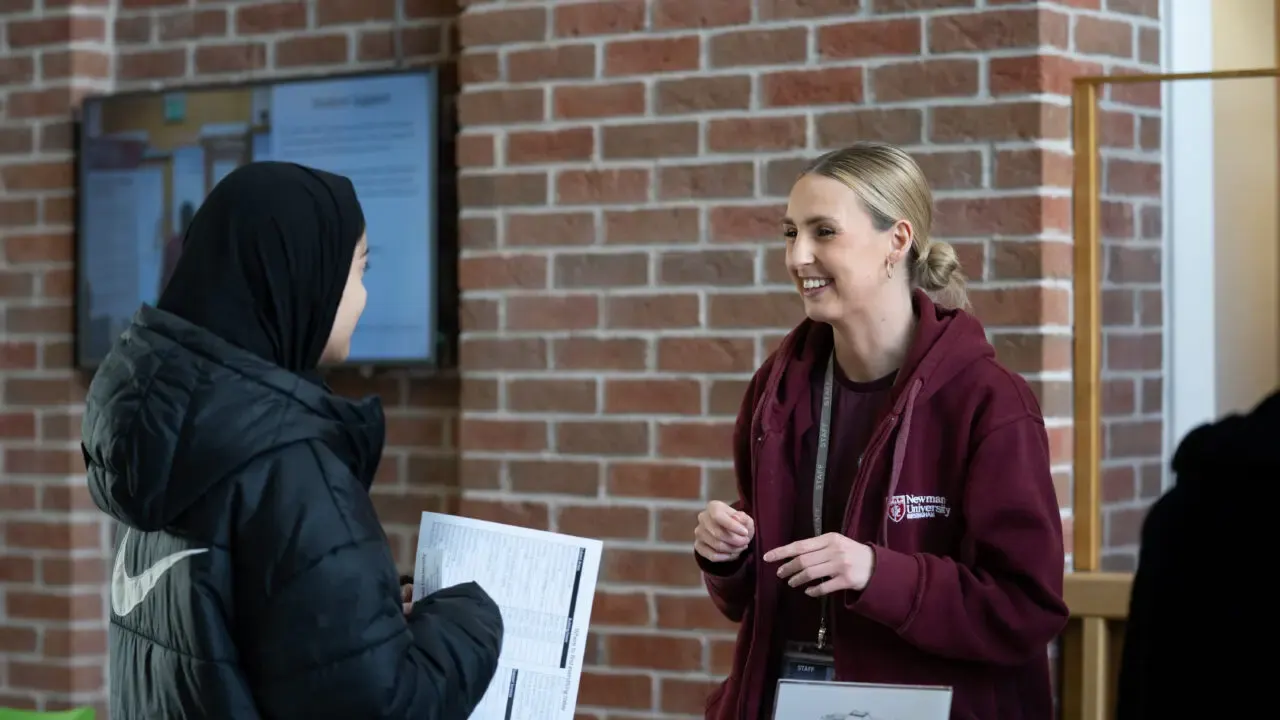
Interested in a different start date?
Got a question you’d like to ask?
Course fees & funding
Fees
All fees are shown in GBP (£).
The tuition fee for the 2026/27 academic year is: £5,120.
Fees for the 2027/28 academic year can be found on our Student Finance pages and choosing your degree type.
Please note: If this course includes a Foundation Year, the fees shown above apply to the Foundation Year only. Fees for subsequent years will be charged at the standard undergraduate full-time fee.
Funding
Find out what funding and support might be available to you through Student Finance and Student Success.
Additional costs
The University will review tuition fees and increase fees in line with any inflationary uplift as determined by the UK Government, if permitted by law or government policy, in subsequent years of your course. It is anticipated that such increases would be linked to RPI (the Retail Price Index excluding mortgage interest payments).
Find out about extra costs, timetable details, and how course modules may change through additional course information.
Check out our blog/news/events

Superb Teaching Earns Second Successive The Times And Sunday Times University Of The Year Award for Birmingham Newman
Birmingham Newman University is the 2027 The Times and Sunday Times University of the Year…

Birmingham Newman Soars to 35th Place as Fastest Rising University in The Guardian University Guide 2027
Birmingham Newman University is the fastest riser in this year’s Guardian University Guide, with a…
Teaching Excellence Powers Birmingham Newman Rise in Daily Mail University Rankings
Birmingham Newman University is the UK’s Number 1 university for teaching excellence, student experience and…

University shortlisted for national social mobility award
Birmingham Newman has been shortlisted for University of the Year in the UK Social Mobility Awards…

Birmingham Newman University: the new UK leader for student satisfaction in the National Student Survey
Birmingham Newman is the Number 1 university in the UK for overall student positivity –…
Book an open day
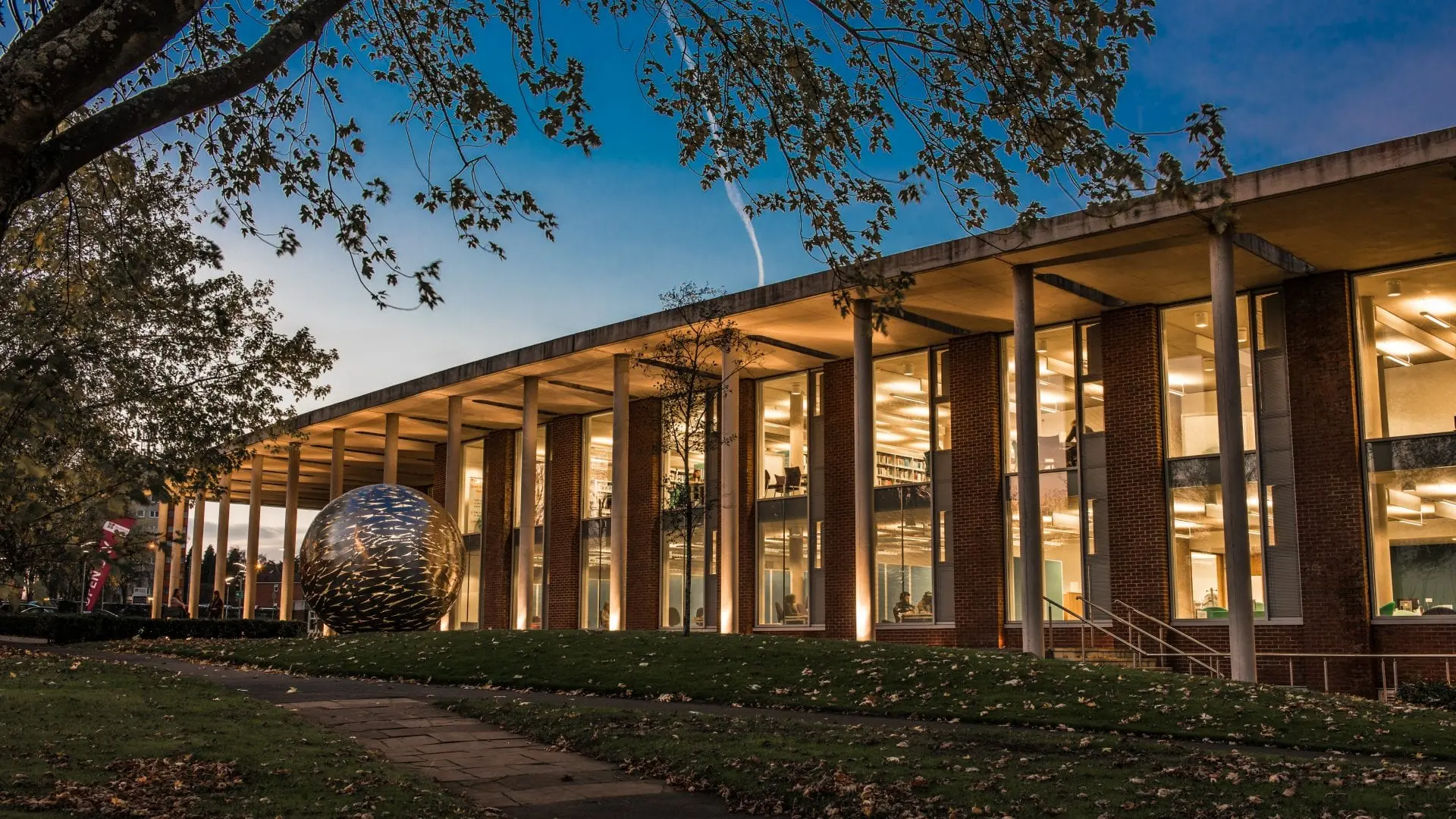
Find out about our next open day. Book now to secure your place.
Courses we think you'll also like

Developmental Science with Neurodiversity MSc
- Start date:
- September 2027
- Study Mode:
- Full-time
- Length:
- 1 years

Psychology and Counselling Studies BSc (Hons)
- Start date:
- Various
- UCAS Code:
- 8C57
- Study Mode:
- Full-time
- Length:
- 3 years

Psychology and Counselling Studies (with Foundation Year) BSc (Hons)
- Start date:
- Various
- UCAS Code:
- C803
- Study Mode:
- Full-time
- Length:
- 4 years

Integrative Counselling MSc
- Study Mode:
- Full-time
- Length:
- 1 years