
Data Science (Conversion) MSc
Postgraduate
- Start date
- –
- Study mode
- –
- Course length
- –
- UCAS Code
- –
Interested in a different start date?
Course overview – Data Science (Conversion) MSc
Discover how data-driven thinking, ethical awareness and practical skills can open new career pathways. The MSc Data Science (Conversion) at Birmingham Newman University offers a clear and structured introduction to the principles and practices of working with data. Designed for graduates from non-computing backgrounds, the course helps you build confidence in a new discipline while developing the technical and analytical skills needed to engage with data in a purposeful and informed way. You will be supported to think critically about how data is used across society and how it can shape decision-making.
What is a conversion course?
A postgraduate conversion course enables you to develop current, specialist knowledge in a subject, whether your undergraduate degree was in that discipline or a different area. It can help you change career, update previous learning or create new opportunities for professional progression.
Complimentary Surface Pro
All Computer Science students set to start in 2026 will receive a Surface Pro laptop.
This will be automatically loaned to you for the entire duration of your course. This exclusive, dedicated device is yours to support your studies from day one.
What does this course cover?
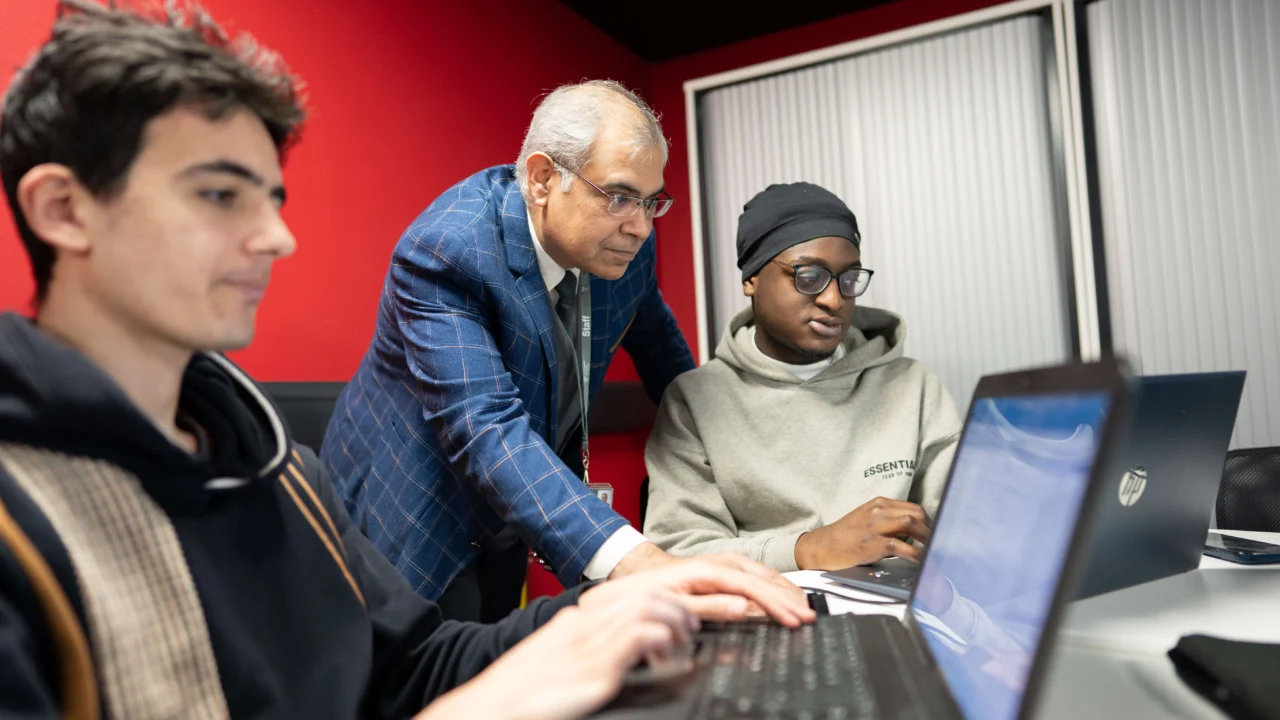
You will explore core areas such as programming, statistics, machine learning, data visualisation and ethical data use. Modules include hands-on experience with tools like Python, R and SQL, and encourage you to apply your learning to real-world datasets and challenges. The course supports you to connect theory with practice, develop your problem-solving skills and reflect on the wider impact of data in professional and public life. Learning is delivered through a blend of on-campus teaching and online study, designed to fit around your commitments.
Book a free consultation
Want to find out more about your options? Book a free consultation with an Academic
Why Study This Course?
The MSc Data Science (Conversion) at Birmingham Newman University is designed for graduates who are ready to explore a new discipline and develop skills that are increasingly valued across sectors. Whether you are changing direction or returning to study, the course offers a supportive and empowering space to build your confidence and grow into a capable data professional. You will be encouraged to think critically, apply your learning to real-world contexts and reflect on the wider impact of data in society.
Explore Data Through Practice and Application
Throughout the course, you will engage with key areas such as programming, data wrangling, machine learning, ethics and visualisation. You will be supported to build confidence with tools such as Python, R and SQL, while developing your ability to communicate findings clearly and work collaboratively. The course encourages you to reflect on your progress, connect theory with practice and explore how data can be used responsibly and effectively. All assessments are coursework-based, allowing you to demonstrate your understanding through practical tasks, reports, presentations and a final independent project.
Supportive and Personalised Learning
At Birmingham Newman University, you will be part of a welcoming and inclusive academic community that values individuality, reflection and care. The course is taught by experienced lecturers who are passionate about data and committed to your success. With a focus on participation and personal development, you will be encouraged to explore your potential in a respectful and empowering environment. You will learn alongside others, share experiences and build confidence in your ability to engage with complex ideas and practical challenges. Whether you are preparing for a new career or expanding your professional skills, you will be supported every step of the way.
Complimentary Surface Pro
All Computer Science students set to start in 2026 will receive a Surface Pro laptop. This will be automatically loaned to you for the entire duration of your course. This exclusive, dedicated device is yours to support your studies from day one.
Assessment
Assessment is designed to support your personal and professional development as a confident and capable data professional. You will complete a range of coursework-based tasks, including programming exercises, technical reports, presentations and applied projects.
A key component is a reflective essay that draws on your learning throughout the course, incorporating feedback from tutors and peers, your own reflections and the practical skills you have developed. This approach encourages you to think critically about your progress and how your understanding can be applied in future study or work.
There are no formal exams and the focus is on helping you build confidence in your communication, self-awareness and ethical thinking.
What are the entry requirements
We welcome students from all backgrounds and accept a wide range of qualifications. If yours aren’t listed, don’t worry – our Admissions Team can help you explore your options. See full entry requirements.
A relevant honours degree, 2:2 or above.
If you are in receipt of overseas qualifications and have no evidence of UK study you may be required to demonstrate your English proficiency through a Secure English Language Test (SELT) such as IELTS.
The Admissions team will provide further details within your offer.
Consideration will be given to applicants with lower grade in qualifications (e.g. a 3rd class degree or non-honours degree) who have a relevant range of post study professional experience. Professional experience will be considered by the programme leader in conjunction with the quality office on an individual basis.
Please contact Admissions if you have any questions.
Course fees & funding
Fees
All fees are shown in GBP (£).
The tuition fee for the 2026/27 academic year is: £5,125.
Fees for the 2027/28 academic year can be found on our Student Finance pages and choosing your degree type.
Please note: If this course includes a Foundation Year, the fees shown above apply to the Foundation Year only. Fees for subsequent years will be charged at the standard undergraduate full-time fee.
Funding
Find out what funding and support might be available to you through Student Finance and Student Success.
Additional costs
The University will review tuition fees and increase fees in line with any inflationary uplift as determined by the UK Government, if permitted by law or government policy, in subsequent years of your course. It is anticipated that such increases would be linked to RPI (the Retail Price Index excluding mortgage interest payments).
Find out about extra costs, timetable details, and how course modules may change through additional course information.
Course modules
Where will you study?
Computer rooms
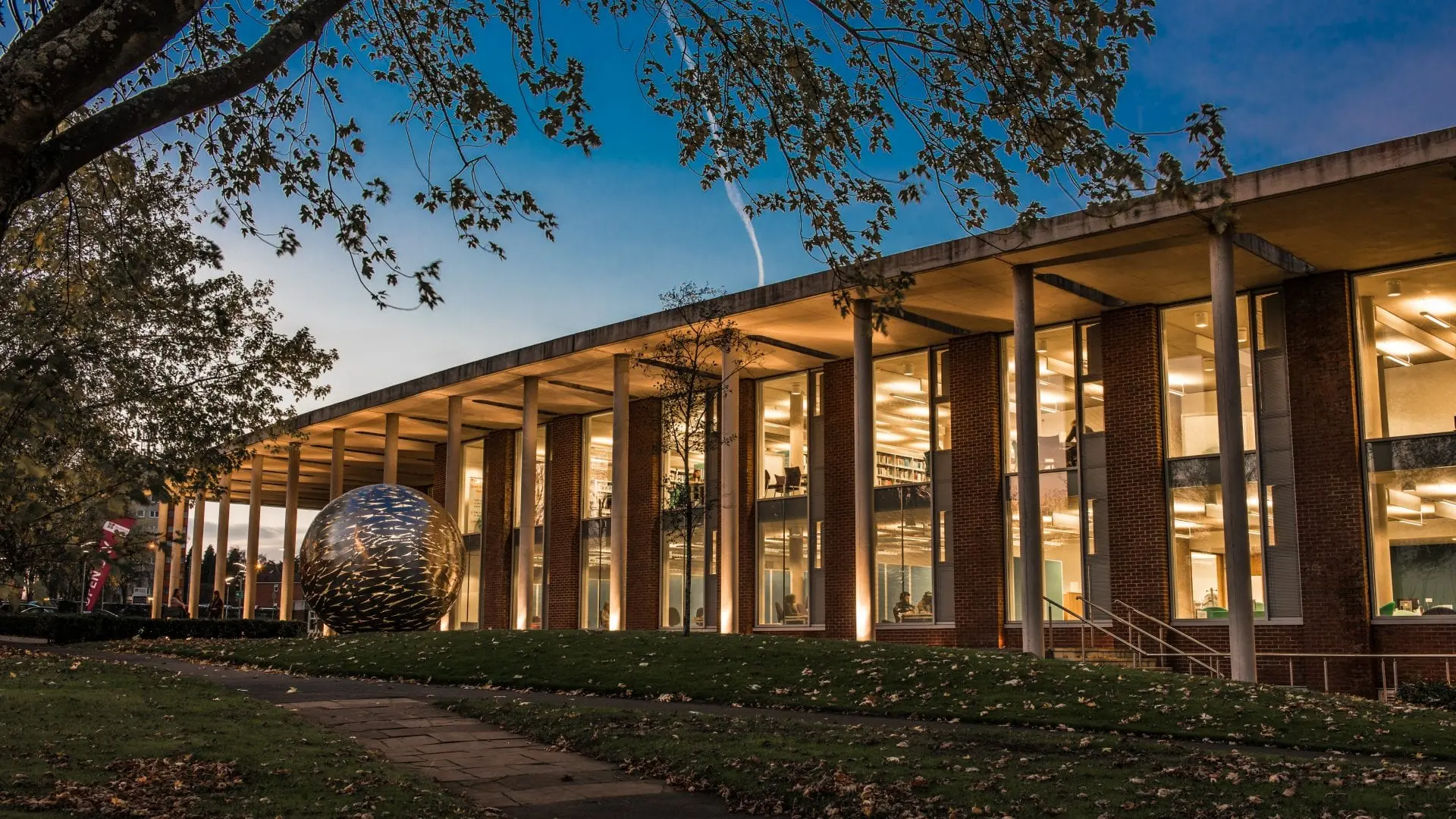
Our campus
Take a tour of our campus and view some of the facilities we have to offer.
Accreditations and Exemptions
The MSc Data Science (Conversion) is grounded in the values of ethical practice, critical thinking and applied learning. While it is not formally accredited by a professional body, the course has been developed in line with current academic and industry expectations. It introduces you to the standards and responsibilities expected in data-related roles and provides a strong foundation for further training or certification.
Many students go on to pursue careers in sectors such as healthcare, education, finance and government, or continue into postgraduate research. The skills and insight you gain can also support your development in roles involving analysis, decision-making and digital transformation across a wide range of professional contexts.
What careers can I consider
This degree prepares you for a wide range of careers where data plays a central role. You will graduate with the ability to work independently, communicate your findings clearly and contribute to data-informed decision-making across sectors such as healthcare, finance, education, government and technology. Whether you are looking to change direction or expand your career options, the MSc Data Science (Conversion) provides a strong foundation for your next steps, grounded in practical skills and critical thinking.
Courses we think you'll also like

Data Science (conversion) MSc
- Start date:
- Various
- Study Mode:
- Full-time
- Length:
- 1 years

Computer Science (Conversion) MSc
- Start date:
- Various
- Study Mode:
- Part-time
- Length:
- 2 years
Computer Science (conversion) MSc
- Start date:
- Various
- Study Mode:
- Full-time
- Length:
- 1 years

Advanced Computer Science MSc
- Start date:
- Various
- Study Mode:
- Full-time
- Length:
- 1 years
Student life & support
Student life & support at Birmingham Newman brings together the services, facilities and guidance that help students feel supported and succeed at every stage of their journey.
From academic skills, wellbeing and disability support to student finance, cost‑of‑living help, accommodation and campus life, we support students both inside and outside the classroom – so they can make the most of their time at university and beyond.
Life in Birmingham
Birmingham is one of the UK’s largest and most diverse cities, offering a vibrant and welcoming environment for students. From world-class shopping and a thriving food scene to cultural attractions and green spaces, there’s always something to explore.
The city is also one of the most affordable places to study in the UK, helping you make the most of your student budget. With excellent transport links, you can easily travel across the UK, including quick connections to London and other major cities.
Whether you’re looking for nightlife, live events, or quiet places to relax, Birmingham has something for everyone.
Computer Science News

Superb Teaching Earns Second Successive The Times And Sunday Times University Of The Year Award for Birmingham Newman
Birmingham Newman University is the 2027 The Times and Sunday Times University of the Year…
Local MP receives sneak peek of state-of-the-art digital health facilities at Birmingham Newman
Preet Gill MP was given an exclusive behind-the-scenes tour of Birmingham Newman University’s newly developed facilities for innovative health…

Andrew Csizmadia Named Fellow of the British Computer Society for Excellence in Computing Education
Andrew Csizmadia SFHEA, Emeritus Fellow in Computing Education at Birmingham Newman University, has been appointed…
Book an open day
Find out about our next open day. Book now to secure your place.